Harvest Wrap-Up
Dec 04, 2025
By Todd Ledden, Grain Procurement Manager
Corn and Soybean Market Overview
Harvest is wrapping up, and the market has given us plenty to discuss. The reduced market access caused by China’s absence from the US soybean market and the loss of key market data due to the US government shutdown have resulted in a turbulent ag complex over the past 3 months. The November 2025 WASDE report offered a mixed picture for corn and soybeans, with corn generally seen as bearish and soybeans more bullish. The report, the first since a government shutdown, included lower production estimates for both crops but also contained data that disappointed market expectations.
U.S. Corn Supply and Use had a record national yield of 186 bpa, production at 16.75B bu, record exports at 3.1B bu, and burdensome ending stocks of 2.2B bu.
U.S. Soybeans Supply and Use registered a national yield per acre of 53.0 bpa, production at 4.253b bu, exports at 1.635B bu, and ending stocks at 290Mbu.
Corn Market Implications
Despite a lower yield, the reported yield was still above average trade expectations, leading to an initial sell-off in futures markets. The higher export forecast, supported by strong shipment data and record ethanol production, provided some support to corn prices. Attention remains on South American weather patterns and production forecasts, which could influence global supply. Strong production from Brazil and Argentina, possibly aided by favorable weather, might pose challenges to further price increases.
Soybean Market Implications
The report's yield and ending stock figures appeared more bullish for soybeans than for corn. The slight decrease in ending stocks was seen as a sign of tightening supply. While a trade deal with China has been announced, actual export sales since the government shutdown have been lower than expected, causing market jitters and raising doubts about sustained demand. Increased export competition from South America also lowered the U.S. export forecast. Like corn, the soybean market is very responsive to South American weather, as production in Brazil and Argentina will heavily influence prices. The December and January WASDE reports will be closely watched, but market focus will increasingly shift to South American production and actual Chinese demand for U.S. soybeans.
Logistics role
“Amateurs talk strategy, professionals talk logistics,” attributed to General Omar Bradley.
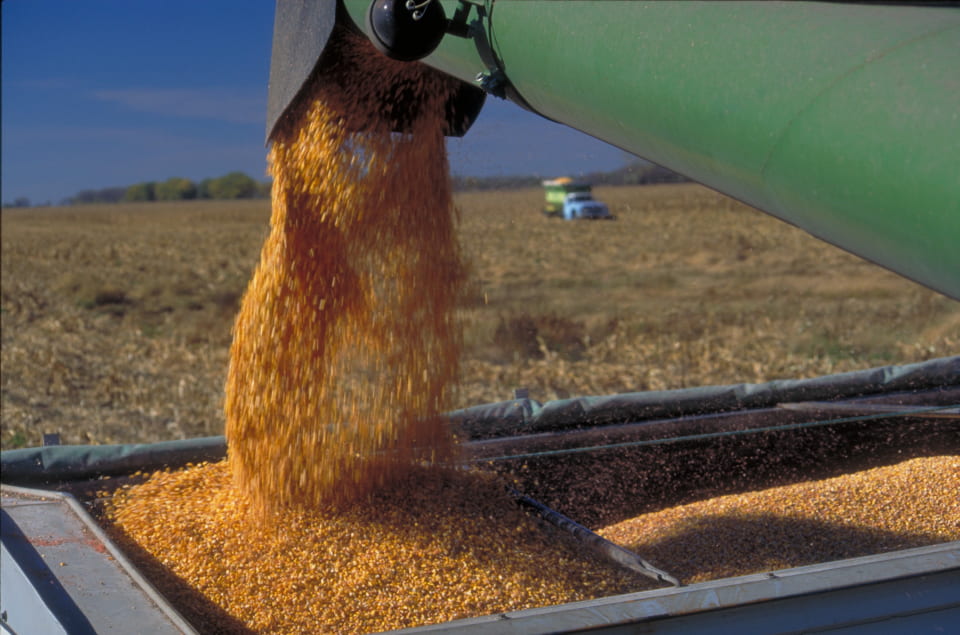
A common topic during harvest has been logistics, the thread that connects S&D. The size and pace of the corn harvest exceeded the market’s capacity to process and ship the region’s production. Soybeans were not readily moving into the export market, which worsened storage and transportation problems. United Cooperative responded quickly by advancing shipments and leveraging market access provided by our rail assets to maximize grain receiving hours. We are exploring ways to better manage the rapid flow of grain and would appreciate any input from our grain customers. This provides an overview of the logistics complex.
The U.S. corn and soybean markets remain heavily influenced by logistical factors as we work to finish the post-harvest period. While basis levels have shown some stability recently, transportation issues and rising freight costs continue to impact shipment strategies. With global demand steady and domestic crush margins strong, moving grain efficiently is becoming just as important as price.
River System Update
The Mississippi River system, a crucial route for grain transport, has experienced a slight rise in water levels compared to last year’s historic lows, but issues remain. Draft restrictions are still in place in some southern sections, reducing barge capacity by 10–15%. Lower barge loads lead to higher freight costs per bushel and slower deliveries to Gulf export terminals. Seasonal weather predictions indicate a modest improvement, but a prolonged dry period could again limit capacity. Delays at locks and dams can cause disruptions throughout supply chains, particularly for December-January export schedules.
Rail Logistics
Railroads face pressure as grain shippers shift away from river limitations. While Class I railroads report better cycle times compared to last fall, secondary rail freight premiums have increased significantly in some corridors. Congestion at major interchange points and labor shortages in certain regions continue to impact reliability. Spot rail rates for shuttle trains remain high, especially for western destinations and PNW export routes.
Trucking Dynamics
The trucking industry faces its own set of challenges. Ongoing labor shortages keep pressure on short-haul rates. Diesel prices have eased slightly but still stay above historical averages, increasing delivery costs. Holiday retail freight is competing for capacity, reducing availability for grain shipments in December. There is a focus on finding reliable carriers now for January-February moves. Spot market exposure to truck freight could cause unexpected cost spikes.
Export Logistics
Global buyers remain active, with YC export inspections described as excellent, but daily sales data show that the Gulf is missing some Dec-Mar tonnage compared to last year. It’s also notable that South American premiums are below U.S. premiums, making U.S. grain relatively more expensive. The duration of U.S. competitiveness depends on logistics efficiency.
Storage & Elevators
Elevator space is becoming more limited in some areas as farmers delay selling grain, hoping for better basis prices.
Logistics risk has become a key factor in market trends. Transportation limitations frequently cause localized basis fluctuations.
Looking Ahead
As we enter winter, the interplay between weather and logistics will dominate headlines:
Bottom Line
Average Price Contract
Lastly, the sign-up time for the United Cooperative’s Average Price Contract is approaching. Last year’s 22-week pricing period resulted in December corn futures registering a $4.515 and November soybean futures a $10.33.
Advantages
Corn and Soybean Market Overview
Harvest is wrapping up, and the market has given us plenty to discuss. The reduced market access caused by China’s absence from the US soybean market and the loss of key market data due to the US government shutdown have resulted in a turbulent ag complex over the past 3 months. The November 2025 WASDE report offered a mixed picture for corn and soybeans, with corn generally seen as bearish and soybeans more bullish. The report, the first since a government shutdown, included lower production estimates for both crops but also contained data that disappointed market expectations.
U.S. Corn Supply and Use had a record national yield of 186 bpa, production at 16.75B bu, record exports at 3.1B bu, and burdensome ending stocks of 2.2B bu.
U.S. Soybeans Supply and Use registered a national yield per acre of 53.0 bpa, production at 4.253b bu, exports at 1.635B bu, and ending stocks at 290Mbu.
Corn Market Implications
Despite a lower yield, the reported yield was still above average trade expectations, leading to an initial sell-off in futures markets. The higher export forecast, supported by strong shipment data and record ethanol production, provided some support to corn prices. Attention remains on South American weather patterns and production forecasts, which could influence global supply. Strong production from Brazil and Argentina, possibly aided by favorable weather, might pose challenges to further price increases.
Soybean Market Implications
The report's yield and ending stock figures appeared more bullish for soybeans than for corn. The slight decrease in ending stocks was seen as a sign of tightening supply. While a trade deal with China has been announced, actual export sales since the government shutdown have been lower than expected, causing market jitters and raising doubts about sustained demand. Increased export competition from South America also lowered the U.S. export forecast. Like corn, the soybean market is very responsive to South American weather, as production in Brazil and Argentina will heavily influence prices. The December and January WASDE reports will be closely watched, but market focus will increasingly shift to South American production and actual Chinese demand for U.S. soybeans.
Logistics role
“Amateurs talk strategy, professionals talk logistics,” attributed to General Omar Bradley.
A common topic during harvest has been logistics, the thread that connects S&D. The size and pace of the corn harvest exceeded the market’s capacity to process and ship the region’s production. Soybeans were not readily moving into the export market, which worsened storage and transportation problems. United Cooperative responded quickly by advancing shipments and leveraging market access provided by our rail assets to maximize grain receiving hours. We are exploring ways to better manage the rapid flow of grain and would appreciate any input from our grain customers. This provides an overview of the logistics complex.
The U.S. corn and soybean markets remain heavily influenced by logistical factors as we work to finish the post-harvest period. While basis levels have shown some stability recently, transportation issues and rising freight costs continue to impact shipment strategies. With global demand steady and domestic crush margins strong, moving grain efficiently is becoming just as important as price.
River System Update
The Mississippi River system, a crucial route for grain transport, has experienced a slight rise in water levels compared to last year’s historic lows, but issues remain. Draft restrictions are still in place in some southern sections, reducing barge capacity by 10–15%. Lower barge loads lead to higher freight costs per bushel and slower deliveries to Gulf export terminals. Seasonal weather predictions indicate a modest improvement, but a prolonged dry period could again limit capacity. Delays at locks and dams can cause disruptions throughout supply chains, particularly for December-January export schedules.
Rail Logistics
Railroads face pressure as grain shippers shift away from river limitations. While Class I railroads report better cycle times compared to last fall, secondary rail freight premiums have increased significantly in some corridors. Congestion at major interchange points and labor shortages in certain regions continue to impact reliability. Spot rail rates for shuttle trains remain high, especially for western destinations and PNW export routes.
Trucking Dynamics
The trucking industry faces its own set of challenges. Ongoing labor shortages keep pressure on short-haul rates. Diesel prices have eased slightly but still stay above historical averages, increasing delivery costs. Holiday retail freight is competing for capacity, reducing availability for grain shipments in December. There is a focus on finding reliable carriers now for January-February moves. Spot market exposure to truck freight could cause unexpected cost spikes.
Export Logistics
Global buyers remain active, with YC export inspections described as excellent, but daily sales data show that the Gulf is missing some Dec-Mar tonnage compared to last year. It’s also notable that South American premiums are below U.S. premiums, making U.S. grain relatively more expensive. The duration of U.S. competitiveness depends on logistics efficiency.
- Gulf Terminals: Vessel lineups are steady, but any disruption—such as fog delays or maintenance outages—can cascade into basis volatility.
- PNW Corridor: Strong soybean demand from Asia keeps pressure on rail-to-port flows.
- Brazil Factor: Early indications suggest Brazil’s crop will be significant, but weather risks remain. If Brazil’s harvest accelerates, U.S. export windows could narrow quickly.
Storage & Elevators
Elevator space is becoming more limited in some areas as farmers delay selling grain, hoping for better basis prices.
- Implication: Slow farmer selling can strain local logistics, especially if inbound receipts outpace outbound shipments.
Logistics risk has become a key factor in market trends. Transportation limitations frequently cause localized basis fluctuations.
Looking Ahead
As we enter winter, the interplay between weather and logistics will dominate headlines:
- Watch Points:
- Ice formation on northern rivers
- Rail performance during peak heating fuel season
- Truck availability post-holidays
- Opportunities:
- Early positioning for spring export programs
- Leveraging basis improvement in regions with surplus transportation capacity
Bottom Line
- In today’s grain market, logistics is not just a cost—it’s a competitive advantage. Proactive freight management, diversified transportation strategies, and real-time monitoring of river, rail, and truck dynamics will be essential to maintaining margins and meeting customer commitments.
Average Price Contract
Lastly, the sign-up time for the United Cooperative’s Average Price Contract is approaching. Last year’s 22-week pricing period resulted in December corn futures registering a $4.515 and November soybean futures a $10.33.
Advantages
- Contracts mitigate the risk of pricing all grain on a single day, as sales are averaged over time.
- Establishes a baseline that factors in a statistically favorable pricing period upon which you can compare your other marketing strategies.
- Simplicity: It is a relatively simple contract to understand and manage, with all pricing aspects established up front.